The Daily Shaarli
October 31, 2022

Brazilian leftist leader Luiz Inacio Lula da Silva narrowly defeated President Jair Bolsonaro in a runoff election, but the far right incumbent had not conceded defeat by Monday morning, raising concerns he might contest the result.
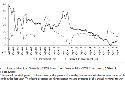
The reason that Western analysts are so sceptical of the Chinese model is that they are seeped in a different economic model for growth. They are convinced that China can only be ‘successful’ (like the economies of the G7!) if its economy depends on profitable investment by privately-owned companies in a ‘free market’. And yet the evidence of the last 40 and even 70 years is that a state-led, planning economic model that is China’s has been way more successful than its ‘market economy’ peers such as India, Brazil or Russia -and even the G7.

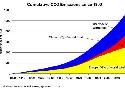
NATO states and Russia are huge contributors to global emissions. We cannot resolve the climate emergency unless these emitters work cooperatively to transition their economies away from fossil fuels and toward renewable energy. Obviously, there is no realistic prospect of achieving the requisite level of cooperation and mutual trust in a state of escalating war.
Even as Xi Jinping was promising China’s Communist Party’s national congress that China would “resolutely win the battle” in key areas of technology, employees of technology companies in China and elsewhere were being told to down tools. Dozens of the hundreds of executives and engineers with US citizenship or green cards who work in or with China’s semiconductor sector, many of them born in China, have been told by their employers – whether those are foreign or Chinese companies – to stop work while their employers seek clarification of a new US rule that bars US citizens and residents from supporting China’s advanced chip-making industry without a licence.
The antagonism to Xi and the current leadership is less to do with the lack of democracy and one-party rule in China – the Western pundits and international agencies seldom mentioned that in their past analyses of China before Xi took over. The strong antagonism now is really to do with two things: 1) under Xi, China’s economic policy has emphasised state control and a reduction of the sway of the capitalist sector; and 2) under Xi, China is resisting to being contained and squeezed by US imperialism in its escalating attempt to stop China’s progress as a major rival in trade, technology and global influence.