The Daily Shaarli
October 29, 2022
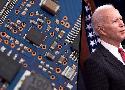
The Biden administration’s aggressive sanctions aim to “kneecap” China’s tech sector. A former Pentagon official acknowledged it is a “disproportionate” and “unilateral” attack, a “form of economic containment.”

Seven years after a U.S.-planned airstrike on Hawija killed at least 85 civilians, a token of compensation has delivered little or no help to survivors.

The US has gambled big in its latest sanctions on Chinese companies in the semiconductor industry, believing it can kneecap China and retain its global dominance. From the slogans of globalization and “free trade” of the neoliberal 1990s, Washington has reverted to good old technology denial regimes that the US and its allies followed during the Cold War.

In 1979, Tanzania’s President Julius Nyerere said in the aftermath of the death of the NIEO and the birth of the Third World Debt Crisis that there was a need to create a ‘Trade Union of the Poor’. Such a political unity did not emerge at that time, nor is there any such ‘trade union’ in our time. Its construction is a necessity.

The high-stakes game of chicken that is the Online News Act reached a new, dangerous level after the federal government closed the list of speakers on its pending Bill C-18 without inviting Meta. That prompted the owner of social network Facebook to issue a statement threatening to stop carrying links to news stories from Canada if Ottawa tries to force it to pay for doing so.
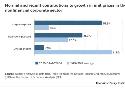
In many previous posts, I have argued the current sharp rise in inflation rates in all the major economies does not derive from so-called ‘excessive demand’; or from excessive money supply growth; or wage demands forcing companies to raise prices. It primarily relies on the failure of supply to match demand.
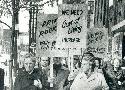
Cost-of-living adjustment clauses — which protect wages against inflation — used to be standard fare in collective agreements. By fighting to bring the COLA clause back, Canadian workers are refusing to bear the brunt of spiraling costs.