The Daily Shaarli
September 11, 2022

Pinochet and his legacy have proven hard to kill. The 2022 draft constitution – the most progressive constitution ever written in terms of socio-economic rights, gender equality, indigenous rights and the protection of nature – was rejected by almost 62% of voters in a national plebiscite on 4 September. How could Chileans, after rising up in October 2019 to demand a new constitution, then voting by an overwhelming majority to initiate the constituent process, reject the proposed draft? Why would they align with right-wing forces seeking to preserve the Pinochet constitution? This astonishing result surely demands a multi-causal explanation. Here I will focus on two of the most prominent ones: the right-wing disinformation campaign across traditional and social media, and the exclusion of the popular sectors from the constituent process, which I have highlighted in previous analyses.
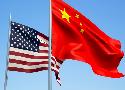
Nathan J. Robinson & Noam Chomsky | War between nuclear-armed powers should be unthinkable. The deterioration of U.S.-China relations threatens the whole world, and treating China as an enemy is suicidally deranged.

Justin Trudeau’s recent housing initiative announcement was better than nothing but woefully inadequate to the scale of Canada’s housing crisis. We need social housing now.

For Chileans who resisted Augusto Pinochet’s regime, the election of left-wing president Gabriel Boric offered hope. Yet the rejection of a proposed new constitution threatens to hobble his government and reverse the democratic breakthrough of recent years.
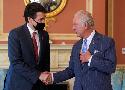
Even though most Canadians would prefer an elected head of state, Charles III is the country’s new king. But enduring monarchism does suit Canadian elites, whose worldview is sustained by the idea of inherited privilege and power embodied by the crown.

If we accept that life expectancy is a good measure of human development, the latest data are revealing about capitalist societies in the 21st century.

Why do we allow such huge concentrations of capital to remain in private hands when we face multiple existential threats?