The Daily Shaarli
June 22, 2022

Gustavo Petro won Colombia's June 19 election to become its first left-wing president. Benjamin Norton analyzes what this means for Latin America, the US, Venezuela, the military, paramilitary groups, the powerful oligarchy, and social movements.

In law and public policy, arguments against adopting an action due to its inevitable future effects are known as “slippery slope” arguments. More worrisome in public policy are slippery slope events, which commence an unstoppable descent toward an undesired result. Canada’s foray into Internet regulation may be well-intended, but it risks opening a Pandora’s Box and running afoul of the Law of Unintended Consequences.

Last week (June 8-10) there were two summits in Los Angeles, California: the Summit of the Americas hosted by the U.S. State Department and the Peoples Summit hosted by U.S. and international activist organizations. The two summits were held in the same city at the same time but could not be otherwise more different.
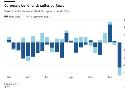
The world of credit is tightening and bringing with it a downturn in financial asset prices, but also exposing the fault-lines in ‘real economy’ production. As the FT put it in an editorial this week:“ the choice is stagflation, or deflationary depression.”

To Wall Street and its backers, the solution to any price inflation is to reduce wages and public social spending. The orthodox way to do this is to push the economy into recession in order to reduce hiring. Rising unemployment will oblige labor to compete for jobs that pay less and less as the economy slows.

Gustavo Petro’s election victory in Colombia is a major blow to Justin Trudeau’s bid to bolster reactionary and pro-Washington governments in the hemisphere. Sunday’s presidential vote strengthens the socialist and regional integrationist forces Ottawa has sought to undercut. An ex-rebel fighter, Petro is widely considered Colombia’s first ever left wing leader.