The Daily Shaarli
January 23, 2022

Private financiers of Line 9 also used the conservative ridership estimates to cut costs wherever they can. Line 9 was already proving more expensive to construct than its predecessors for its inclusion of express service with extra tracks and rail equipment, and acquisition of the most expensive land in Seoul, according to Donga Weekly.18 The underestimated ridership predictions gave the financiers green light to reduce its rolling stock size from the original 186 cars (31 6-car trains) to 144 cars (36 4-car trains). As the other eight Seoul Metro lines operated 8-car trains, Line 9 began by running exclusively 4-car trains.
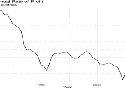
Marx’s law of the tendency of the rate of profit to fall (LTRPF) has either been heavily criticised or ignored as being an irrelevant explanation of crises under capitalism, both theoretically and empirically. The critics are not from mainstream economics, who generally ignore the role of profit in crises altogether. They partly come from post-Keynesian economists who look to ‘aggregate demand’ as the driver of capitalist economies, not profit. But the biggest sceptics come from Marxian economists.

German engineering giant Bosch is mounting massive layoffs in the name of adapting to the electric car market. But workers insist the move is really about increasing profits — and climate protesters have joined the fight to save their jobs.

While Canadian workers took to picket lines to agitate in the face of the hardships brought on by the pandemic, Canadian businesses collected COVID benefits intended for the very employees they laid off.

A new report reveals the breathtaking extent of global inequality — and the vast progress that a global wealth tax could underwrite in areas like child poverty and climate change.