The Daily Shaarli
September 15, 2021
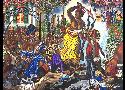
A billion people without shoes in the 21st century. Hundreds of millions of them children, many unable to get to school for lack of shoes. Yet the global footwear industry produces 24.3 billion pairs of shoes a year, namely three pairs of shoes for every person on the planet. Many of those who produce shoes in a country like India can neither afford to buy the shoes that they produce nor even the cheapest flipflops available in the market. There are more than enough shoes in the market, but there is not enough money in the hands of hundreds of millions of people to buy these shoes. They work and produce, but they cannot afford to consume enough for a decent life.

Many fear that the volatility of the cryptocurrency will affect their income and purchasing power. They condemned that it is not suitable for small vendors and only benefits the big investors and transnational companies.
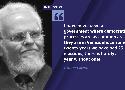
A highly regarded Venezuelan intellectual reflects on the vicissitudes of the Bolivarian Process’ political model.

To combat extreme inequality, a housing crisis, and crumbling infrastructure, we must tax the rich. A wealth tax could raise hundreds of billions to rebuild the welfare state, but none of Canada’s major parties are proposing tax hikes that go far enough.
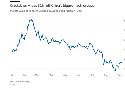
These zig zags are wasteful and inefficient. They happen because China’s leadership is not accountable to its working people; there are no organs of worker democracy. There is no democratic planning. Only the 100 million CP members have a say in China’s economic future, and that is really only among the top. The other reason for the zig zags is that China is surrounded by imperialism and its allies both economically and militarily. Capitalism remains the dominant mode of production outside China, if not inside. ‘Common prosperity’ cannot be achieved properly while the forces of capital remain inside and outside China.